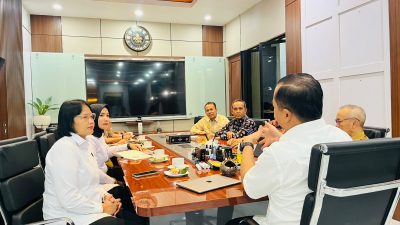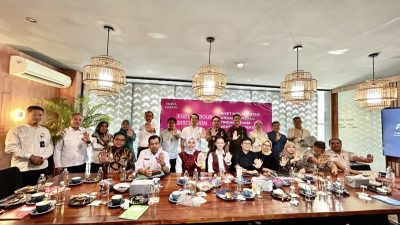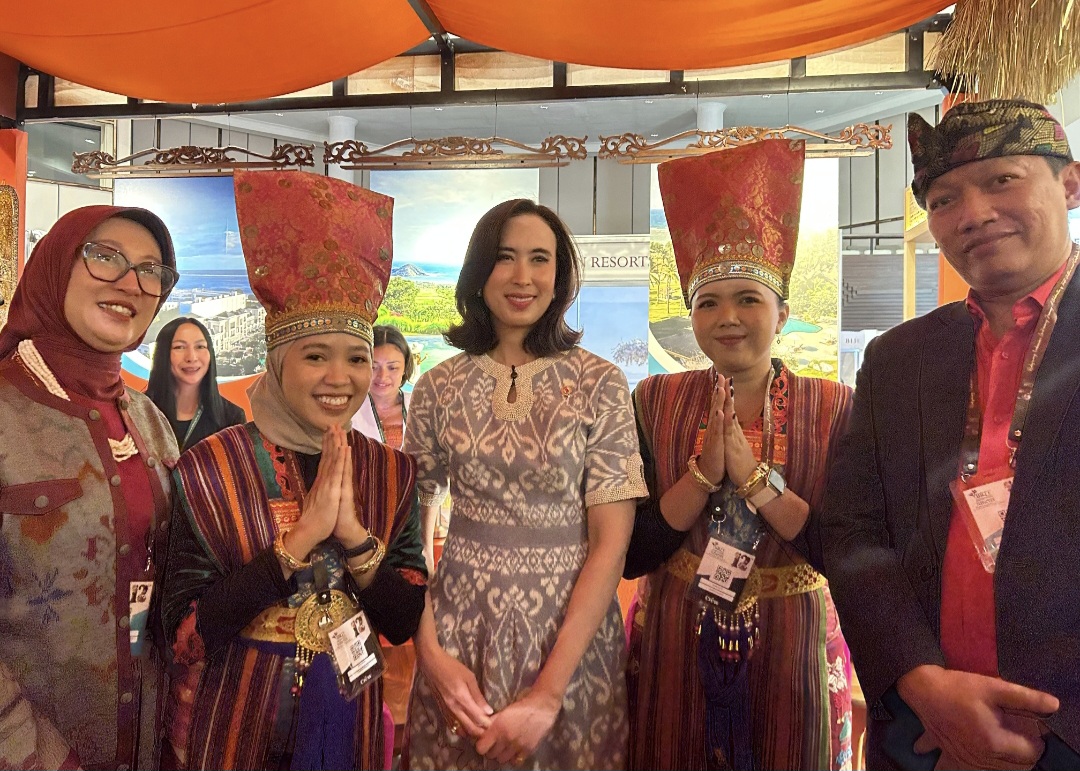
Pojok NTB – The Province of West Nusa Tenggara (NTB) is taking significant steps to develop a high-quality tourism industry that focuses not only on increasing visitor numbers but also on delivering meaningful and sustainable travel experiences. Through the momentum of the Bali and Beyond Travel Fair (BBTF) 2026, NTB is strengthening the positioning of Lombok and Sumbawa as leading destinations for wellness tourism and world-class marine tourism.
Head of the NTB Tourism and Creative Economy Office, Ahmad Nur Aulia, stated that BBTF serves as a strategic platform that connects tourism industry players from around the world with Indonesia’s promising destinations, including NTB.
“This is a very valuable event because it brings together international sellers and buyers. It allows us to share our cultural narratives while building collaborations with the global tourism industry,” he said.
According to Ahmad Nur Aulia, many international buyers are beginning to view Lombok as a natural extension of Bali. Several buyers from Europe have expressed interest in developing travel packages that position Lombok as a primary destination, offering a more tranquil and exclusive travel experience.
This trend aligns with the global shift in tourism preferences. Travelers are no longer solely seeking popular destinations; instead, they are increasingly attracted to healing experiences, natural serenity, and sustainable tourism.
“Today’s travelers are looking for healing experiences and wellness journeys. This presents a major opportunity for Lombok and Sumbawa,” he explained.
Ahmad Nur Aulia noted that NTB already possesses strong assets for developing wellness tourism. Its natural beauty, pristine beaches, peaceful atmosphere, rich local culture, and growing number of high-quality resorts and hotels provide a solid foundation for the sector.
However, he emphasized that the biggest challenge lies in creating integrated wellness tourism packages that meet the expectations and demands of international markets.
“We have tremendous potential. The key is to weave together collaboration among destinations, hotels, and tourism industry stakeholders to create harmonious tourism packages,” he said.
Wellness tourism is considered a highly promising market segment, particularly among upper-middle-class travelers seeking more personalized and premium vacation experiences. As a result, sustainable tourism has become a central focus in NTB’s tourism development strategy.
In addition to wellness tourism, NTB is also strengthening conservation-based marine tourism. One of its flagship attractions is the whale shark tourism experience in Saleh Bay, which has begun attracting significant attention from international buyers due to its uniqueness and rarity.
Buyers from France, in particular, have shown strong interest in experiencing whale shark encounters in NTB waters.
“Whale sharks are a globally unique attraction that very few destinations can offer,” Ahmad Nur Aulia said.
Nevertheless, he acknowledged that several challenges remain, particularly regarding accessibility and transportation connectivity to whale shark tourism sites in Saleh Bay and Labuan Jambu.
The provincial government is currently developing a comprehensive and sustainable management concept for whale shark tourism to ensure that tourism growth remains aligned with environmental conservation and the well-being of local communities.
“The potential is enormous, but we must have a clear and sustainable development concept,” he added.
Ahmad Nur Aulia also emphasized that NTB’s tourism development is not aimed solely at attracting international visitors. Domestic travelers remain an equally important market segment that must continue to be strengthened.
“We do not differentiate between international and domestic tourists. What we are building is a destination that meets world-class quality standards,” he said.
According to him, the quality tourism approach promoted by the NTB Provincial Government must generate inclusive benefits for communities living around tourism destinations.
He stressed that the success of tourism should not be measured solely by visitor arrivals but by the extent to which local communities benefit economically, the environment remains protected, and visitors gain meaningful experiences.
“Our goal is to create meaningful experiences for tourists, generate benefits for local communities, and preserve the environment,” he explained.
During the event, Ahmad Nur Aulia also highlighted the important role of younger generations in preserving and promoting NTB tourism. He believes that Generation Z possesses tremendous influence through social media platforms and can play a vital role in building a positive image of the region’s tourism destinations.
To support this vision, the government is increasingly integrating the creative economy and digitalization into its tourism promotion strategies.
“Gen Z has a strong presence on social media. They have tremendous opportunities to share information and contribute to tourism development,” he said.
He expressed hope that the collaborative spirit fostered through BBTF would continue to grow and eventually open opportunities for NTB to host its own travel fair in the future.
“Initiatives like this should continue. The next step is ensuring that we prepare the right strategies so they can deliver a significant impact on the future of NTB tourism,” he concluded.