Pojok NTB – Regional cooperation between Bali, West Nusa Tenggara (NTB), and East Nusa Tenggara (NTT) has officially entered the implementation phase. No longer merely a written commitment, the collaboration among the three provinces is now directed toward concrete actions with direct benefits for the community. This was emphasized during the Third Bali–NTB–NTT Regional Cooperation Meeting (KR BNN), held at the ITDC The Golo Mori complex in West Manggarai, NTT, on Wednesday, January 28, 2026.
The meeting followed agreements reached by the governors in Bali on November 3, 2025, and the signing of a Memorandum of Understanding (MoU) in Mandalika, West Nusa Tenggara, on November 25, 2025. The cross-regional partnership has now moved into a phase of consolidation and the strengthening of concrete, cross-sectoral programs.
Governor of West Nusa Tenggara, Lalu Muhamad Iqbal, emphasized that the Bali–NTB–NTT cooperation has shifted from political intent to tangible impact. One outcome already being felt, he noted, is improved air connectivity.
“This is no longer a matter of discourse. The impact is already visible. The number of flight routes to and from NTB has increased from 18 to 27. This shows that integration within the Bali–NTB–NTT region is truly underway,” said Iqbal.
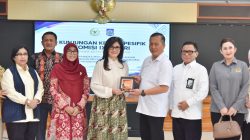
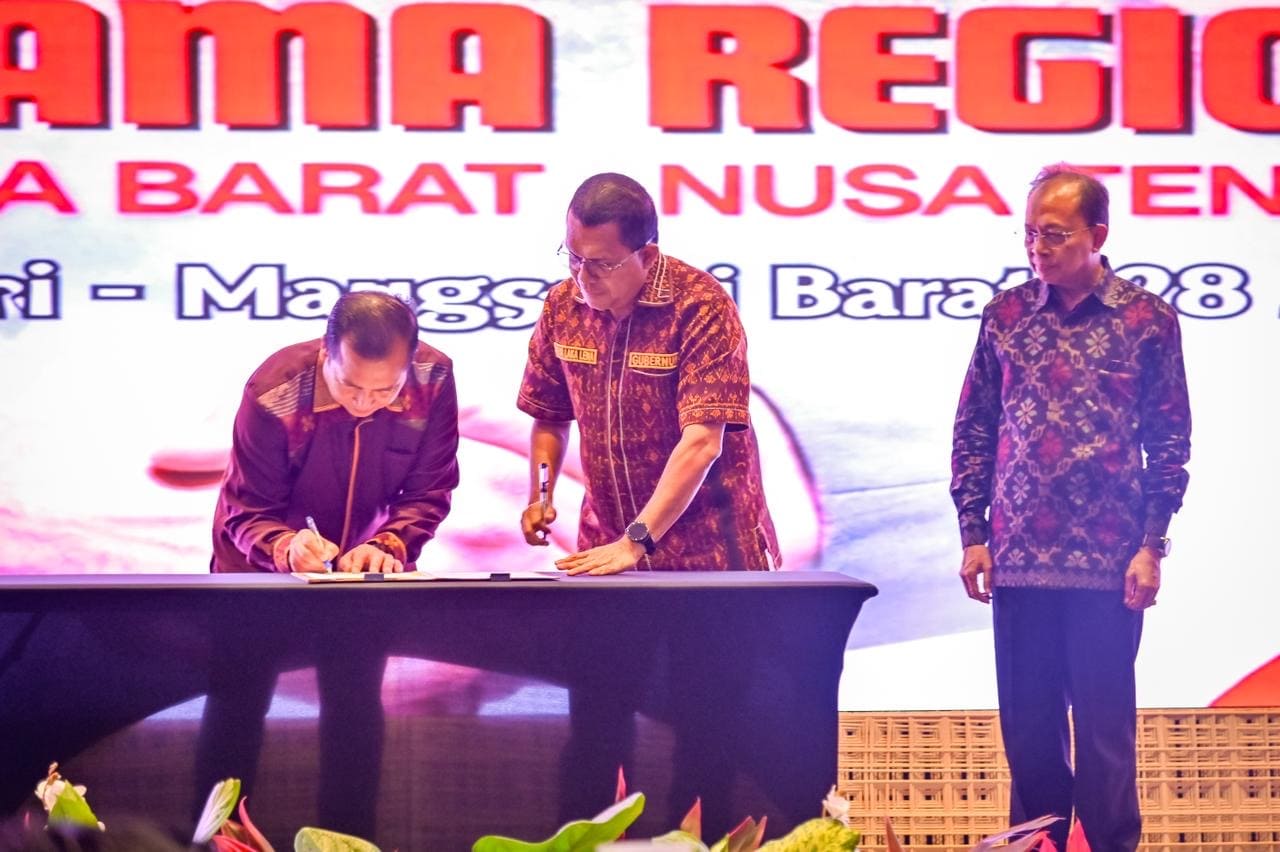
During the meeting, heads of regional agencies from the three provinces signed several technical cooperation agreements as follow-ups to the MoU. These agreements cover five strategic sectors: integrated tourism and the creative economy; development of a regional renewable energy supergrid; strengthening inter-provincial trade and exports; sea, ferry, and air transportation connectivity; and the integration of regional development planning.
Iqbal also highlighted NTB’s readiness to play a strategic role, including leading the feasibility study for the development of a renewable energy supergrid across the Bali–NTB–NTT region. He stated that the region possesses enormous potential in solar, wind, hydro, and geothermal energy, which could support national energy security and accelerate the transition to clean energy.
Meanwhile, NTT Governor Emanuel Melkiades Laka Lena reaffirmed his province’s commitment to hosting and coordinating the collaboration through the establishment of a Joint Secretariat. He stressed that the secretariat would serve as a platform for genuine cooperation rather than a mere administrative formality.
“This collaboration is a shared home—a place where we work together, not merely sign agreements,” he said.
Bali Governor I Wayan Koster conveyed Bali’s readiness to function as a regional hub for tourism and exports. He emphasized the importance of developing Bali, NTB, and NTT as an integrated economic and tourism region that complements one another rather than operating in isolation.
In addition to the signing of technical agreements, the meeting was also marked by the signing of a statement of readiness by the Governors of NTB and Bali to host the 2028 National Sports Week (PON). The statement, addressed to the President of the Republic of Indonesia, reflects a shared commitment to organizing the national event efficiently, collaboratively, and through regional cooperation.
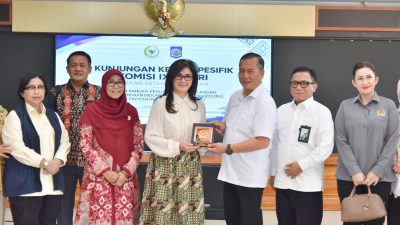
The meeting was attended by regional officials, regents and mayors, as well as leaders of the Regional People’s Representative Councils (DPRD) from the three provinces, demonstrating strong political and institutional support for the sustainability of the cooperation.
Through the Bali–NTB–NTT Regional Cooperation framework, the three provinces agreed to move beyond fragmented development approaches and work collectively to build the Bali–Nusra region into a locomotive for economic growth in Eastern Indonesia—competitive at both national and international levels and oriented toward sustainable community welfare.