Lebaran Topat has once again underscored its role as more than an annual tradition, evolving into a strong blend of religious values, cultural heritage and tourism appeal in Indonesia’s West Nusa Tenggara province.
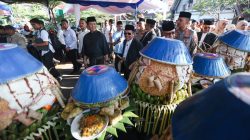
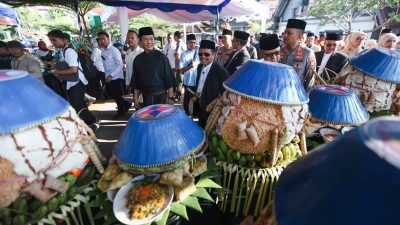
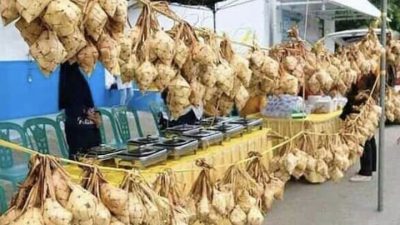
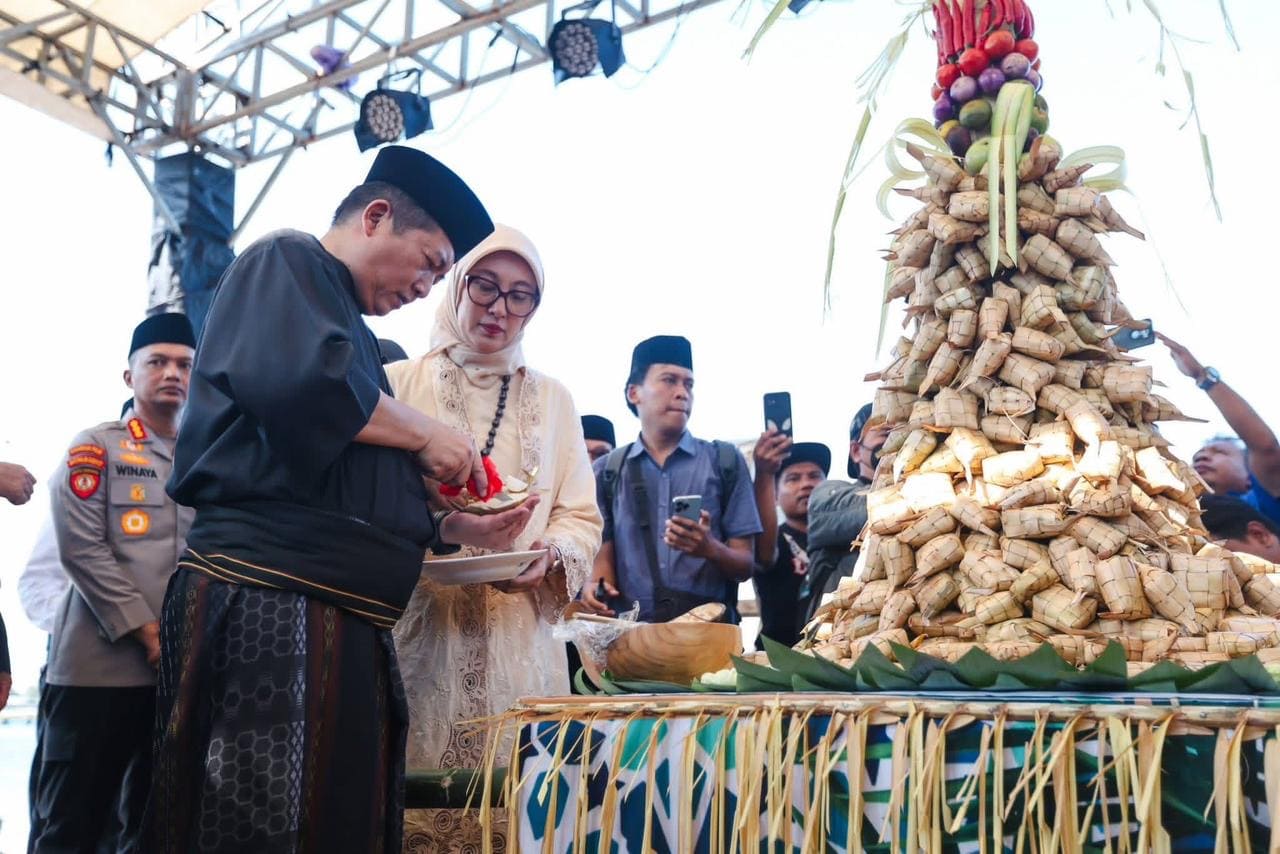
This year’s Lebaran Topat celebration, marking the 1447 Hijri calendar, drew thousands of people to the coastal sites of Makam Batulayar and Amphitheater Senggigi on Saturday. Residents arrived from early morning carrying trays filled with ketupat, a traditional rice cake, and local dishes, creating a vibrant and communal atmosphere along Senggigi beach.
Visitors, including domestic and international tourists, also attended the event, drawn by the unique traditions of the Sasak community native to Lombok.
West Nusa Tenggara Governor Lalu Muhamad Iqbal said the celebration carries deep meaning that must be preserved amid the growth of modern tourism.
“Lebaran Topat is not merely the closing of Eid al-Fitr, but a spiritual and social reflection of the Sasak people. It embodies worship, togetherness and local wisdom,” he said.
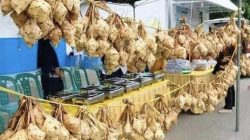
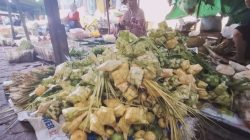
He added that ketupat, the central symbol of the tradition, represents four key values: spiritual completion, sharing of sustenance, mutual forgiveness and a return to purity—principles that underpin harmony between people and their faith, as well as among communities.
West Lombok Regent Lalu Ahmad Zaini echoed the sentiment, describing Lebaran Topat as an ancestral heritage preserved across generations.
“This is not just a celebration, but an identity that upholds togetherness and spirituality,” he said.
Traditionally observed on the eighth day of Shawwal, Lebaran Topat is closely associated with visits to religious graves, communal prayers and shared meals along the coast. These religious and social elements remain central to the event.
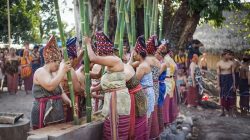
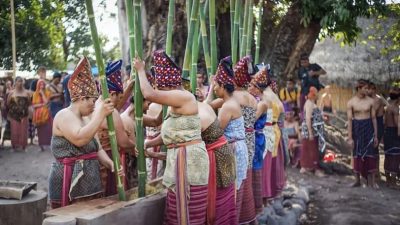
In recent years, however, the celebration has expanded into a cultural event integrated with the tourism sector. This year’s festivities featured cultural parades, traditional performances and ketupat processions, adding to the spectacle.
The involvement of tourism stakeholders in the Senggigi area has further strengthened Lebaran Topat’s position as a flagship regional event. Officials say this transformation is a positive development, provided that the tradition’s core values are maintained.
“Tourism and culture must go hand in hand. We want global recognition while preserving authenticity,” Iqbal said.
Lebaran Topat 2026 highlights how local traditions can endure and adapt, serving not only as expressions of faith and cultural identity but also as drivers of sustainable tourism and economic activity in West Nusa Tenggara.