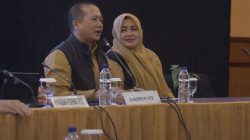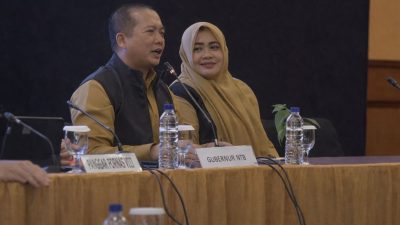
Indonesia’s West Nusa Tenggara province is strengthening its meetings, incentives, conventions and exhibitions (MICE) sector as part of a strategy to boost higher-quality tourism and generate broader economic benefits for local communities, Governor Lalu Muhammad Iqbal said.
The provincial government is shifting its focus from visitor numbers to longer stays and higher spending, positioning MICE as a key pillar of sustainable tourism development.
“We want NTB’s tourism to move up a class. MICE is a strategic instrument to attract quality visitors and drive the local economy sustainably,” Iqbal said.
During 2025–2026, the province has hosted a series of major international and national events, many centered in the Mandalika resort area on Lombok island. These include the Indonesia round of MotoGP and the GT World Challenge Asia.
National events have also drawn large crowds. The eighth edition of the Festival Olahraga Masyarakat Nasional VIII (Fornas VIII) brought more than 18,000 participants from 38 provinces, while the Pocari Sweat Run Lombok attracted over 9,000 runners from across the country.
Cultural tourism remains part of the strategy. The annual Festival Bau Nyale continues to draw domestic and international visitors, reinforcing the island’s local identity.
The economic impact has been significant, according to provincial data. The 2025 MotoGP weekend recorded more than 140,000 spectators, with hotel occupancy in Mandalika reaching 100% and above 90% across Lombok. The total economic turnover during the event was estimated at around 4.8 trillion rupiah ($approximate).
Fornas VIII generated more than 800 billion rupiah in economic activity and created about 9,500 temporary jobs. Retail visits in Mataram rose by up to 11%, while some businesses reported revenue increases of 80% to 100% compared with normal days.
The Pocari Sweat Run Lombok 2025 was estimated to contribute over 50 billion rupiah to the local economy, with passenger traffic at Zainuddin Abdul Madjid International Airport rising by around 3% during the event period.
Hotels, car rentals, restaurants and small businesses all reported increased demand, reflecting what officials describe as a multiplier effect from MICE and sports tourism activities.
Data from the provincial statistics agency showed star-rated hotel occupancy reached 43.51% in October 2025, with more than 120,000 guests staying during the month. The average length of stay approached two days, indicating that many visitors combined event participation with leisure travel.
The government is also promoting pre- and post-event tour packages involving tourism villages and creative economy players to broaden the distribution of benefits.
Sustainability measures are being introduced at several venues, including reducing single-use plastics, prioritising locally sourced products and involving small and medium-sized enterprises. In the Gili islands and southern Lombok, tourism operators have stepped up community-based waste management and marine clean-up campaigns.
For the provincial government, the success of MICE is measured not only by a packed events calendar but by its spillover effects. Each conference and sporting event creates opportunities for hotels, transport providers, artisans and tour guides.
West Nusa Tenggara is positioning itself not only as a scenic destination, but as a responsible hub for MICE and sports tourism, aiming to balance economic growth with environmental preservation.